 家
家物流展示会を超えた日本訪問
 2026-09-24
 4
4
In early September, STORIN’s solution design, project, and software teams, together with colleagues from its Japan Operations Center, visited a logistics exhibition in Japan.
The trip was originally planned around the industry exhibition, customer needs, and project delivery. Over the course of several days, however, the team encountered three particularly interesting real-world settings:
The first stop was the exhibition, to explore how the industry is evolving.
The second was the customer’s warehouse, to understand real operational needs.
The third was a project already in operation, to see what the solution had ultimately delivered.
Although these three settings may seem separate, together they trace STORIN’s complete approach to smart warehousing—from understanding industry developments and real customer needs to delivering results in practice.
Japan’s Logistics Exhibition: Exploring Industry Developments
The logistics exhibition in Japan in early September was the first stop on this trip.
For the STORIN team, visiting the exhibition was about more than discovering this year’s latest equipment and robots. From warehouse equipment and logistics robots to automated operations and software systems, the technologies on display were all addressing one fundamental question:
- As warehouse operations become increasingly complex, how is logistics becoming more efficient?
- Which technologies are moving from concept to practical application, and which changes are making a real impact on warehouse operations?
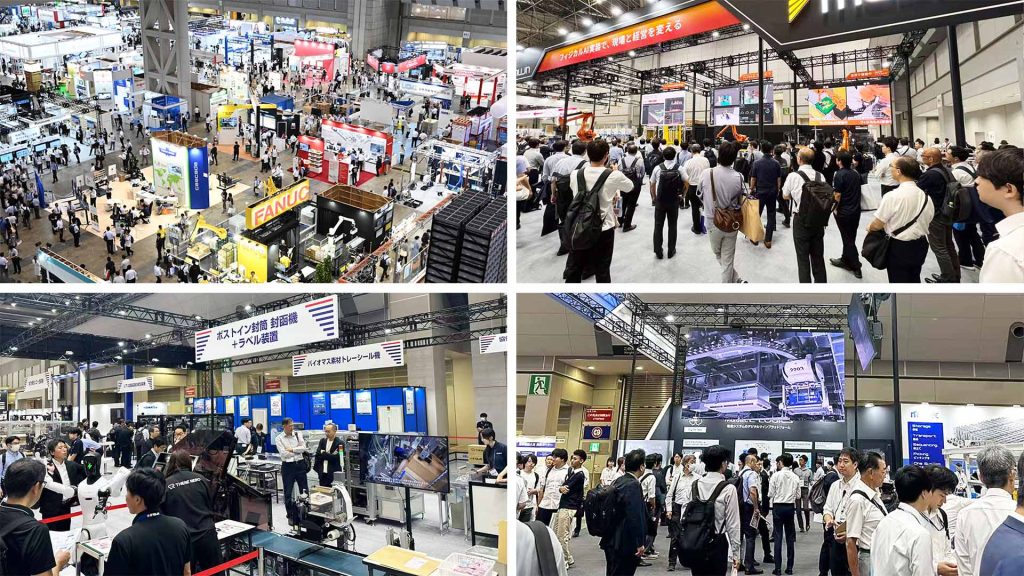
▲ Exploring technologies and application trends firsthand at Japan’s logistics exhibition.
Inside the Customer’s Warehouse: Real Challenges Beyond the Exhibition Floor
After leaving the exhibition, the team visited a customer’s warehouse in Japan.
There were no standardized booth demonstrations or carefully choreographed visitor routes—just the reality of daily operations:
- How are goods stored and arranged?
- How do workers pick items?
- Which tasks are repeated dozens or hundreds of times each day?
- Where is operational efficiency being held back?
- Which activities place additional physical strain on workers?
These questions can only be fully understood by stepping into the warehouse and observing the work firsthand.
This is precisely the role of a system integrator—not simply to install a piece of equipment in a warehouse, but to start with operational needs and bring software, equipment, and on-site workflows together into a fully integrated system.
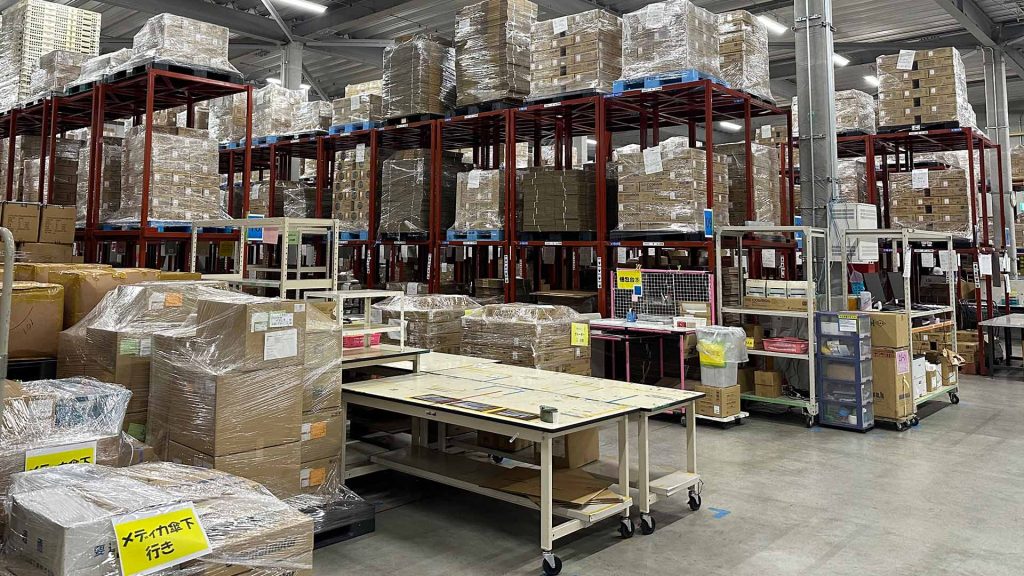
▲ Visiting the customer’s warehouse to identify opportunities for improvement in day-to-day operations.
For a system integrator, a customer saying “We want to automate” is often just the starting point for understanding their actual needs.
The key questions to address are:
- Why is automation needed?
- Which part of the operation needs to change most?
- How can those changes improve both efficiency and the day-to-day working experience for staff?
During this visit to Japan, the team also witnessed another answer in practice.
An Operational Project: Turning Answers into Tangible Results
While the team was visiting the Japanese market, a project for a customer in Japan officially went live.
The customer operates in the e-commerce retail sector, with approximately 15,000 SKUs managed in its warehouse.
With so many SKUs and frequent picking requirements, frontline workers routinely perform repetitive movements, including retrieving items and bending down.
The project therefore focused on more than simply getting the equipment up and running. It aimed to improve warehouse workflows to:
Reduce repeated bending and the cumulative physical strain caused by repetitive tasks over time.
At the same time, improve sorting efficiency.
Following implementation, sorting efficiency increased by approximately 80%.
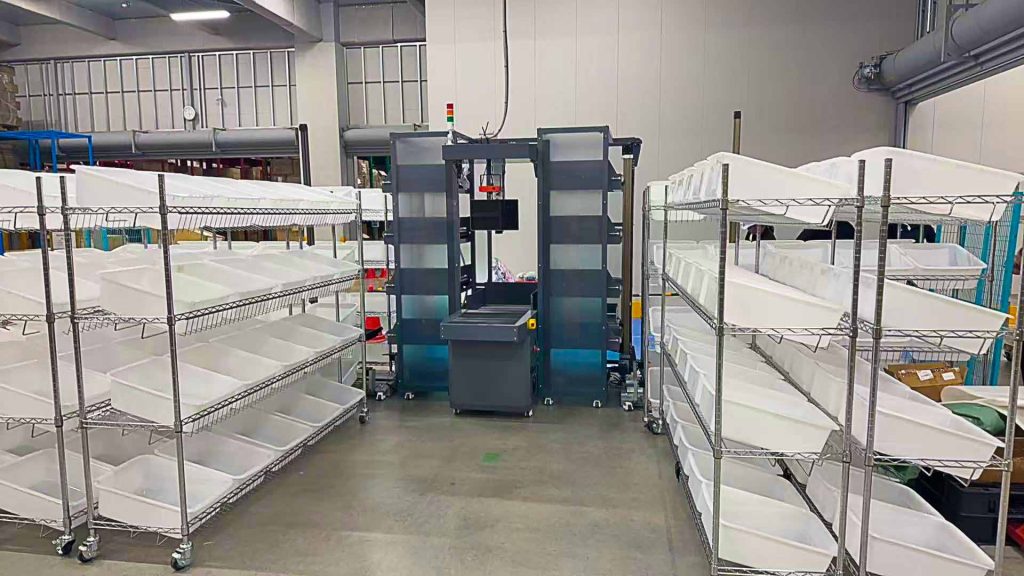
On Site at the Implemented Project
From exploring technologies at the exhibition to identifying challenges at customer sites and implementing solutions to address them, these three experiences form the connecting thread of STORIN’s visit to Japan.
From “Seeing” to “Understanding” to “Putting Solutions into Practice”
Visiting exhibitions helps us understand how the industry is evolving.
Visiting customer sites helps us understand what their operations truly need.
Implementing projects brings solutions into real operating environments, where their value is demonstrated through tangible results.
For STORIN, smart warehousing is about more than simply installing robots, conveyor lines, or software systems in a warehouse.
Visiting exhibitions helps us understand how the industry is evolving.
Visiting customer sites helps us understand what their operations truly need.
Implementing projects brings solutions into real operating environments, where their value is demonstrated through tangible results.
For STORIN, smart warehousing is about more than simply installing robots, conveyor lines, or software systems in a warehouse.
What truly matters is:
Understanding needs in the context of the business, then connecting software, hardware, and on-site workflows so that automation genuinely supports people in their work and improves operational efficiency.
This was the clearest takeaway from the team’s visit to Japan.
The technologies showcased at exhibitions will continue to evolve, as will the challenges within warehouses.
Yet from industry trends to customer needs, and from solution design to project delivery, lasting value comes from putting technology to work in real operating environments to solve real problems.
On this trip—from Japan’s logistics exhibition to customer warehouses and a project already in operation—STORIN followed that very path.


