
項目背景
3,300 ㎡ 儲存空間
輸送線運行能力
快取記憶體架操作能力
採摘精確度
專案痛點
Insufficient Warehouse Space Utilization: Traditional warehousing models fail to fully utilize existing space, resulting in low storage density and limiting the storage capacity for pharmaceuticals and health products.
Need for Intelligent Management of the Entire Medical Supply Chain: Faced with stringent industry regulations and quality control requirements, there is an urgent need to improve the intelligent management level of the entire medical supply chain from warehousing to outbound delivery to ensure product safety and compliance.
Bottlenecks in Picking Efficiency and Error Rate: Manual picking has limited efficiency and is prone to errors, affecting order accuracy and delivery timeliness.
Ability to Cope with Business Fluctuations: The pharmaceutical market demand is affected by various factors such as seasons and policies. The existing logistics system lacks sufficient flexibility and is unable to efficiently cope with rapid fluctuations in future business volume.
解決方案
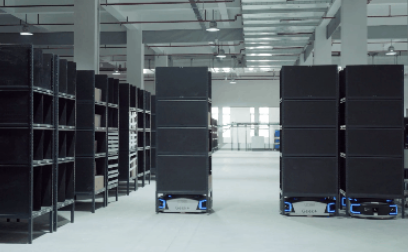
Large-Scale Robot Cluster: A core deployment of 75 picking robots and 2 cargo robots jointly constructs an efficient and precise automated warehousing operation system.
“Goods-to-Person” Efficient Picking Mode: Picking robots automatically transport the required shelves or cartons to the picking workstation, significantly reducing personnel movement and improving picking efficiency and accuracy.
End-to-End Automated Management: Achieves end-to-end automated management from drug warehousing, storage, picking to outbound, reducing human intervention.
客戶價值
End-to-End Automation and Data Traceability: Successfully achieves end-to-end automated management of drug warehousing and outbound processes, ensuring data traceability at all stages, greatly improving management transparency and meeting the stringent regulatory requirements of the pharmaceutical industry.
Leap in Picking Efficiency: Overall picking efficiency is improved by over 80%, significantly shortening order processing and shipping time and accelerating drug circulation.
Human Resource Optimization: The introduction of the automation system reduces personnel needs by 30%, effectively alleviating labor cost pressures and allowing limited manpower to be invested in more valuable business processes.
Improved warehouse utilization and flexibility: The warehouse space layout has been optimized, storage density has been increased, and the system’s flexibility to cope with future business fluctuations has been enhanced, providing solid support for the company’s sustainable development.