 บ้าน
บ้านการเยือนญี่ปุ่นของเราเป็นมากกว่านิทรรศการโลจิสติกส์
 2026-09-24
 1
1
ในช่วงต้นเดือนกันยายน ทีมออกแบบโซลูชัน โครงการ และซอฟต์แวร์ของ STORIN พร้อมด้วยเพื่อนร่วมงานจาก Japan Operations Center ได้ไปเยี่ยมชมนิทรรศการด้านลอจิสติกส์ในญี่ปุ่น
เดิมทีทริปนี้มีการวางแผนเกี่ยวกับนิทรรศการอุตสาหกรรม ความต้องการของลูกค้า และการส่งมอบโครงการ อย่างไรก็ตาม ตลอดระยะเวลาหลายวัน ทีมงานได้พบกับฉากในโลกแห่งความเป็นจริงที่น่าสนใจเป็นพิเศษสามฉาก:
จุดแรกคือนิทรรศการเพื่อสำรวจว่าอุตสาหกรรมมีการพัฒนาอย่างไร
ประการที่สองคือคลังสินค้าของลูกค้า เพื่อทำความเข้าใจความต้องการในการดำเนินงานที่แท้จริง
โครงการที่สามเป็นโครงการที่ดำเนินการแล้ว เพื่อดูว่าโซลูชันได้ส่งมอบอะไรในท้ายที่สุด
แม้ว่าการตั้งค่าทั้งสามนี้อาจดูแยกกัน แต่เมื่อร่วมกันติดตามแนวทางที่สมบูรณ์ของ STORIN ในด้านคลังสินค้าอัจฉริยะ จากการทำความเข้าใจการพัฒนาอุตสาหกรรมและความต้องการของลูกค้าที่แท้จริง ไปจนถึงการส่งมอบผลลัพธ์ในทางปฏิบัติ
นิทรรศการโลจิสติกส์ของญี่ปุ่น: สำรวจการพัฒนาอุตสาหกรรม
นิทรรศการโลจิสติกส์ในญี่ปุ่นเมื่อต้นเดือนกันยายนเป็นจุดแรกของทริปนี้
สำหรับทีมงาน STORIN การเยี่ยมชมนิทรรศการเป็นมากกว่าการค้นพบอุปกรณ์และหุ่นยนต์ใหม่ล่าสุดของปีนี้ ตั้งแต่อุปกรณ์คลังสินค้าและหุ่นยนต์โลจิสติกส์ไปจนถึงการดำเนินงานอัตโนมัติและระบบซอฟต์แวร์ เทคโนโลยีที่จัดแสดงล้วนตอบคำถามพื้นฐานข้อเดียว:
- ในขณะที่การดำเนินงานคลังสินค้ามีความซับซ้อนมากขึ้น โลจิสติกส์จะมีประสิทธิภาพมากขึ้นอย่างไร
- เทคโนโลยีใดกำลังเปลี่ยนจากแนวคิดไปสู่การใช้งานจริง และการเปลี่ยนแปลงใดที่ส่งผลกระทบอย่างแท้จริงต่อการปฏิบัติงานของคลังสินค้า
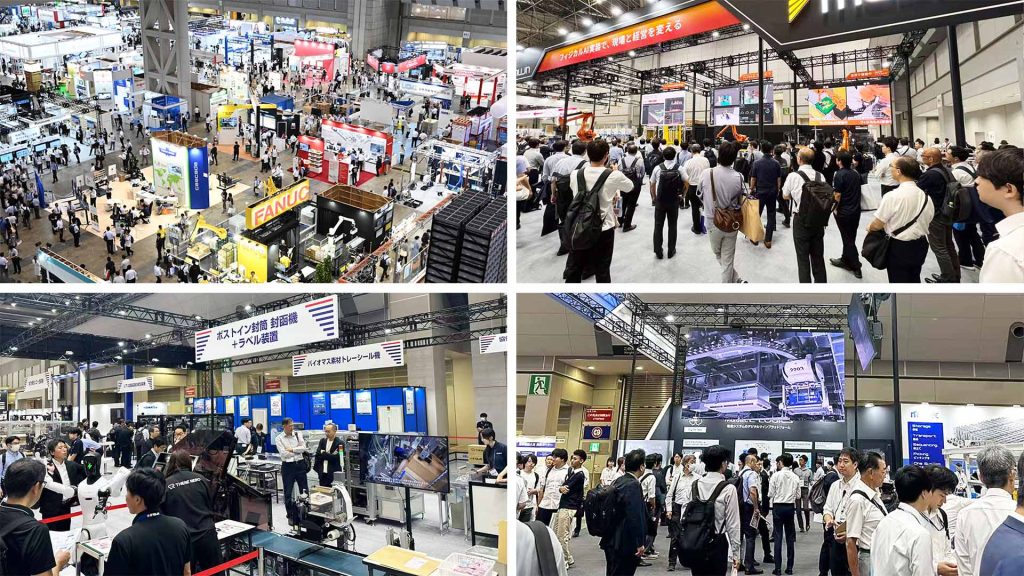
▲ สำรวจเทคโนโลยีและแนวโน้มการใช้งานโดยตรงที่นิทรรศการโลจิสติกส์ของญี่ปุ่น
ภายในคลังสินค้าของลูกค้า: ความท้าทายที่แท้จริงนอกเหนือจากพื้นที่จัดแสดงนิทรรศการ
หลังจากออกจากงานนิทรรศการ ทีมงานได้เยี่ยมชมคลังสินค้าของลูกค้าในประเทศญี่ปุ่น
ไม่มีการสาธิตบูธที่ได้มาตรฐานหรือออกแบบท่าเต้นเส้นทางผู้เยี่ยมชมอย่างระมัดระวัง เป็นเพียงการปฏิบัติจริงในแต่ละวัน:
- สินค้ามีการจัดเก็บและจัดเรียงอย่างไร?
- พนักงานเลือกสินค้าอย่างไร?
- งานใดที่ถูกทำซ้ำหลายสิบหรือหลายร้อยครั้งต่อวัน?
- Where is operational efficiency being held back?
- Which activities place additional physical strain on workers?
These questions can only be fully understood by stepping into the warehouse and observing the work firsthand.
This is precisely the role of a system integrator—not simply to install a piece of equipment in a warehouse, but to start with operational needs and bring software, equipment, and on-site workflows together into a fully integrated system.
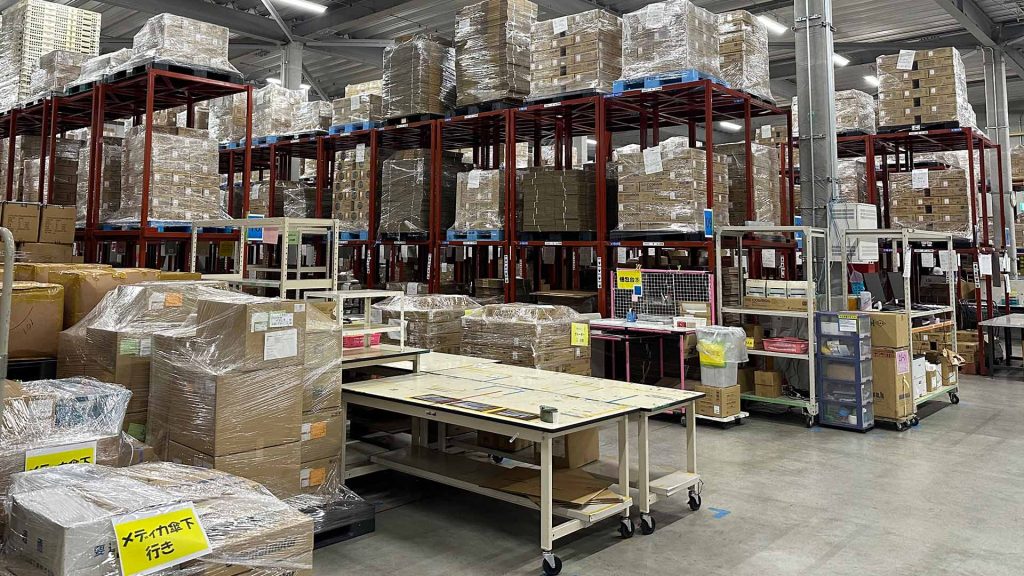
▲ Visiting the customer’s warehouse to identify opportunities for improvement in day-to-day operations.
For a system integrator, a customer saying “We want to automate” is often just the starting point for understanding their actual needs.
The key questions to address are:
- Why is automation needed?
- Which part of the operation needs to change most?
- How can those changes improve both efficiency and the day-to-day working experience for staff?
During this visit to Japan, the team also witnessed another answer in practice.
An Operational Project: Turning Answers into Tangible Results
While the team was visiting the Japanese market, a project for a customer in Japan officially went live.
The customer operates in the e-commerce retail sector, with approximately 15,000 SKUs managed in its warehouse.
With so many SKUs and frequent picking requirements, frontline workers routinely perform repetitive movements, including retrieving items and bending down.
The project therefore focused on more than simply getting the equipment up and running. It aimed to improve warehouse workflows to:
Reduce repeated bending and the cumulative physical strain caused by repetitive tasks over time.
At the same time, improve sorting efficiency.
Following implementation, sorting efficiency increased by approximately 80%.
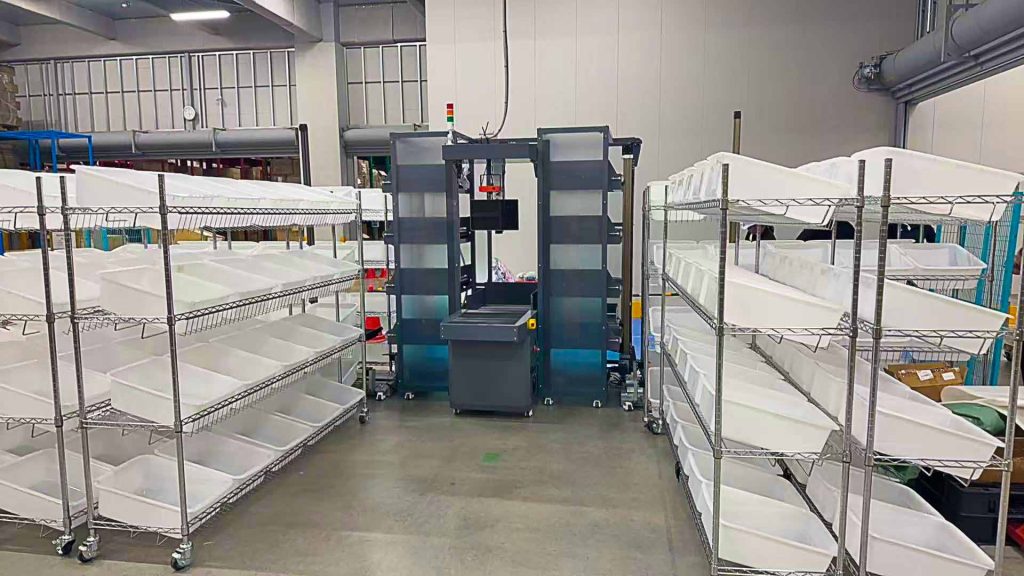
On Site at the Implemented Project
From exploring technologies at the exhibition to identifying challenges at customer sites and implementing solutions to address them, these three experiences form the connecting thread of STORIN’s visit to Japan.
From “Seeing” to “Understanding” to “Putting Solutions into Practice”
Visiting exhibitions helps us understand how the industry is evolving.
Visiting customer sites helps us understand what their operations truly need.
Implementing projects brings solutions into real operating environments, where their value is demonstrated through tangible results.
For STORIN, smart warehousing is about more than simply installing robots, conveyor lines, or software systems in a warehouse.
Visiting exhibitions helps us understand how the industry is evolving.
Visiting customer sites helps us understand what their operations truly need.
Implementing projects brings solutions into real operating environments, where their value is demonstrated through tangible results.
For STORIN, smart warehousing is about more than simply installing robots, conveyor lines, or software systems in a warehouse.
What truly matters is:
Understanding needs in the context of the business, then connecting software, hardware, and on-site workflows so that automation genuinely supports people in their work and improves operational efficiency.
This was the clearest takeaway from the team’s visit to Japan.
The technologies showcased at exhibitions will continue to evolve, as will the challenges within warehouses.
Yet from industry trends to customer needs, and from solution design to project delivery, lasting value comes from putting technology to work in real operating environments to solve real problems.
On this trip—from Japan’s logistics exhibition to customer warehouses and a project already in operation—STORIN followed that very path.


